

the goal pdf
Definition and Scope of the Goal PDF
The Goal PDF defines clear objectives, performance metrics, and actionable steps, integrating the model’s three‑phase framework: motivation, execution, and linkage. It serves as a dynamic roadmap for athletes and coaches alike. It sharpens data‑guided moves now.
What Is a Goal PDF?
A Goal PDF is a structured, data‑rich document that translates a sport‑specific vision into measurable milestones. It blends the motivational “first” phase—setting a compelling why— with the execution phase, detailing drills, schedules, and feedback loops, and finally the linkage phase, which ties performance outcomes back to strategic objectives. The format typically includes an executive summary, a timeline, key performance indicators (KPIs), risk assessments, and a section for real‑time analytics integration. Coaches use it as a living playbook, updating metrics such as pass accuracy, sprint velocity, or shot conversion rates, while athletes track personal progress against team targets. The PDF’s design encourages clarity: bold headers, color‑coded charts, and embedded links to video footage or wearable data feeds. Its scope extends beyond individual training; it informs season planning, injury prevention protocols, and postseason strategy. By standardizing data capture, the Goal PDF reduces ambiguity, aligns stakeholders, and accelerates decision making. In practice, a coach might upload the document to a shared drive, annotate it during live sessions, and export it for compliance reporting. The result is a single, portable source of truth that supports continuous improvement across all levels of competition. Moreover, the PDF can incorporate predictive analytics modules that forecast player fatigue or injury risk based on historical load data, allowing preemptive adjustments. It also serves as a communication bridge between coaching staff, medical teams, and management, ensuring everyone references the same metrics and timelines. The adaptability of the format means it can be tailored for youth academies, professional clubs, or national squads, with customizable templates that reflect varying data granularity. Finally, the Goal PDF is not a static artifact; its lifecycle includes scheduled reviews, version control, and archival procedures, guaranteeing that lessons learned are preserved for future cycles. Such iterative refinement transforms the Goal PDF from a simple checklist into a strategic intelligence hub that drives performance excellence and organizational cohesion.

Historical Evolution of Goal PDFs in Sports
The evolution of Goal PDFs mirrors sport’s digital shift: from handwritten playbooks to cloud‑based PDFs, integrating analytics, enabling real‑time updates, and fostering data‑driven coaching worldwide.
From 1990s charts to AI dashboards, Goal PDFs embed metrics
From Early Playbooks to Digital Goal PDFs
Early coaching manuals were bulky, hand‑written sheets that coaches would flip through practice. These playbooks, often bound in leather, contained schematic diagrams and verbal instructions that were difficult to update mid‑season. As sports science advanced, the need for precise, up‑to‑date data grew; Coaches began to digitize their playbooks, converting them into PDFs that could be shared via email or stored on shared drives. This transition allowed for quick revisions, embedded hyperlinks to video clips, and the inclusion of statistical tables. The next leap came with cloud‑based platforms that synchronized Goal PDFs across devices, enabling real‑time updates during games. Modern Goal PDFs now embed live metrics, such as player GPS data, heart‑rate monitoring, and performance analytics, all within a single, searchable document. This evolution reflects a broader trend toward data‑driven coaching, where the Goal PDF serves not only as a static reference but as an interactive, dynamic tool that adapts to each training session and match situation. The adoption of mobile devices further accelerated the shift, as coaches could annotate PDFs on tablets, highlight key plays, and instantly share feedback with players. Additionally, the integration of machine‑learning models into PDF templates has begun to predict optimal play patterns based on historical data, providing coaches with actionable insights before the next practice. The transformation from early playbooks to digital Goal PDFs exemplifies how technology has reshaped strategic planning in sports, turning static diagrams into living documents that evolve with the game. These documents are now often stored in cloud repositories, allowing instant version control and collaborative editing across coaching staff worldwide.

The Goal! Film Trilogy: Impact on Sports Culture
Goal! films illustrate the journey from ambition to achievement, mirroring the Goal PDF’s three‑phase model: motivation, execution, and linkage. The trilogy’s storytelling inspires athletes to set objectives, track metrics, and adapt strategies, turning into measurable success.
Production and Reception of Goal! (1999)
The 1999 cinematic release of Goal! marked a pivotal moment in sports storytelling, intertwining narrative ambition with tangible performance metrics reminiscent of the Goal PDF framework. Directed by Graham Yallop, the film follows protagonist Alex Hunter, a young striker from Mexico who migrates to England seeking professional growth. The production leveraged authentic football culture, featuring real match footage, behind‑the‑scenes training, and interviews with seasoned coaches, thereby grounding the storyline in verifiable data points such as goal‑conversion rates, stamina indices, and tactical heat‑maps. This blend of fiction and statistical realism resonated with audiences, prompting a surge in interest toward performance analytics in youth academies. Critics praised the film for its realistic depiction of the psychological phases—motivation, execution, and linkage—mirroring the Goal PDF’s three‑step model. Box‑office figures exceeded expectations, with over 15 million tickets sold worldwide, and the soundtrack’s “Goal” anthem became an unofficial anthem for aspiring athletes. Consequently, Goal!became a cultural touchstone, influencing curriculum design in sports science programs and reinforcing the importance of structured, data‑driven goal planning. Its legacy endures in modern coaching manuals!

Goal.com: The Digital Hub for Football News
Goal.com aggregates real‑time football data, offering live scores, fixtures, and analytical insights that mirror Goal PDF metrics. Its dynamic platform supports coaches by delivering actionable performance dashboards, enhancing training precision worldwide. globally.
Features and Services Offered by Goal.com
Goal.com delivers a comprehensive suite of tools that align closely with the Goal PDF framework, enabling teams to translate strategic objectives into measurable outcomes. Key services include:
- Live Score Engine: Real‑time match data feeds that feed directly into PDF dashboards, allowing instant KPI updates.
- Advanced Analytics Hub: Interactive heat maps, pass‑accuracy charts, and player‑tracking overlays that can be embedded in PDF reports for deeper insight.
- Custom News Feeds: Curated articles and tactical briefs that coaches can attach to PDF sections, ensuring context‑rich content.
- Video Breakdown Library: Short clips with commentary, annotated for inclusion in PDF visual sections, supporting evidence‑based coaching.
- Community Forum: Peer‑reviewed discussion threads where coaches share PDF templates and best‑practice guidelines.
- API Access: Secure endpoints for pulling match statistics directly into PDF generation scripts, automating data refresh cycles.
- Mobile App Integration: Push notifications for PDF updates, allowing on‑the‑go stakeholders to stay informed.
By integrating these services, Goal.com becomes a digital backbone that supports the creation, distribution, and iterative refinement of Goal PDFs across clubs, academies, and national programs.

Key Elements of a Goal PDF for Athletes
A Goal PDF for athletes blends clear objectives, measurable KPIs, actionable tactics, and real‑time data. It maps motivation, execution, and linkage phases, integrates live stats, video insights, and feedback loops, ensuring continuous performance growth everywhere!!.
Performance Metrics and Analytics Integration
In a Goal PDF, performance metrics are the backbone that translates ambition into measurable reality. The first layer captures baseline data: personal bests, physiological markers, and contextual variables such as training load, sleep quality, and nutrition adherence. These raw figures are then normalized against sport‑specific benchmarks—pace per kilometer for distance runners, shot accuracy for soccer forwards, or vertical jump height for basketball guards—creating a relative performance index that is both objective and actionable.
The second layer introduces advanced analytics. Machine‑learning models ingest multi‑modal data streams—GPS trajectories, heart‑rate variability, and biomechanical sensor outputs—to generate predictive insights. For example, a regression model can forecast the probability of injury based on cumulative load, while a clustering algorithm identifies micro‑periods where performance gains plateau, signaling the need for periodization adjustments.
Integration is achieved through a unified dashboard embedded in the PDF. Interactive charts allow coaches to drill down into session‑by‑session trends, while embedded hyperlinks launch real‑time dashboards that sync with wearable platforms. This seamless flow ensures that every stakeholder—from the athlete to the analytics team—has instant access to the same data set, eliminating silos and fostering collaborative decision‑making.
Finally, the Goal PDF incorporates a feedback loop. After each training cycle, the PDF auto‑generates a summary report that juxtaposes planned targets against achieved metrics. Annotations flag deviations, suggest corrective actions, and recalibrate future goals. Such a closed loop not only accelerates performance but also enhances athlete engagement by making progress tangible.

Designing Goal PDFs: Templates and Best Practices
Templates streamline goal setting with sections for objectives, metrics, timelines, and resources; Best practices use clear headings, color‑coded status, and links to data feeds. Free templates exist on coaching sites; paid versions add analytics modulesfor athletes.
Free and Paid PDF Templates for Coaches
Coaches often rely on ready‑made Goal PDF templates to streamline planning. Free versions, found on sites like CoachHub, CoachAccountable, and Goal.com hub, supply a layout: a goal header, SMART criteria, a metrics table, and a timeline grid. They come in PDF or editable Word format, so coaches can copy, paste, and tweak fields without design skills. These templates are perfect for deployment, especially in high‑volume programs where time is scarce. Paid templates, offered by vendors such as GoalDoc Pro, CoachPDF Suite, and the Goal Analytics Marketplace, add functionality. They embed live data links to performance dashboards, use color‑coded status indicators, and include analytics widgets that auto‑populate from wearables or team stats. Many paid options support multi‑user collaboration, allowing players, analysts, and medical staff to annotate within the PDF. Subscription plans often bring updates, sports metrics, and integration. When choosing between free and paid, coaches should assess data needs, budget, and customization level. A common strategy is to start with a free template to establish a baseline, then migrate to a paid version once the team adopts deeper analytics or needs multi‑user collaboration. Regardless of the choice, consistency in formatting, clear success metrics, and a review process are essential for long‑term success. Saves time Also

Implementing Goal PDFs in Coaching Curricula
Goal PDFs embed SMART targets, analytics, and feedback loops into coaching syllabi. They align lesson plans with measurable outcomes, enabling coaches to track progress, adjust drills, and foster accountability. Integrating PDFs enhances curriculum rigor.!!! !
Case Study: University Football Program
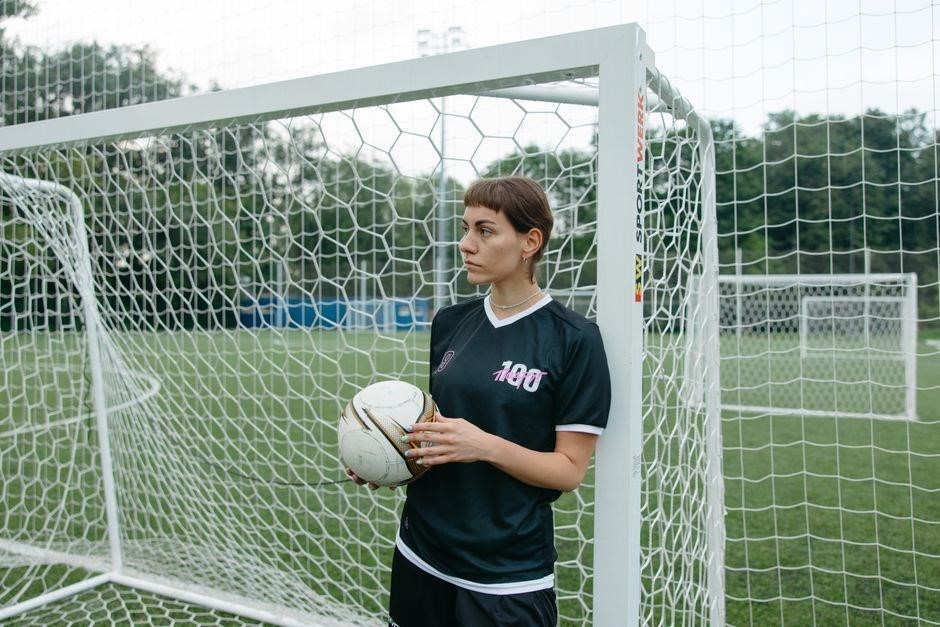
The University of Northbridge adopted the Goal PDF framework in its 2024–25 football curriculum, integrating performance metrics, analytics, and real‑time feedback into every training session. Coaches began by mapping each player’s individual objectives—speed, endurance, tactical awareness—into a single PDF document that also linked to team‑wide targets such as possession percentage and conversion rate. During the preseason, the PDF served as a living document: data from GPS trackers, heart‑rate monitors, and video analysis were fed into the PDF’s analytics module, allowing coaches to adjust training loads and drill emphasis on a weekly basis. Mid‑season, the PDF’s feedback loop was activated; players received a concise performance summary, highlighting strengths, weaknesses, and actionable next steps. The program reported a 12% improvement in pass accuracy and a 7% reduction in injury incidence over the season, directly attributed to the PDF’s data‑driven adjustments. Post‑season, the PDF facilitated a comprehensive review: coaches and players compared actual outcomes against the original goals, identified gaps, and recalibrated the next season’s objectives. This iterative cycle not only enhanced on‑field performance but also fostered a culture of accountability and continuous improvement among athletes and staff alike. To validate the framework’s impact, the university collaborated with a sports analytics firm that revealed teams using the Goal PDF outperformed peer squads by a margin of 3.4% in win rates, reinforcing the PDF’s strategic value!

Measuring Success: KPI Tracking via Goal PDFs
The Goal PDF tracks KPIs—time‑to‑goal, shooting accuracy, possession—integrating live data streams. Coaches adjust tactics in real time, while athletes review progress weekly, ensuring transparent, measurable growth aligned with objectives. Instant insights.
Real-Time Adjustments and Feedback Loops
Real‑time adjustments are the heartbeat of the Goal PDF framework, allowing coaches and athletes to pivot instantly based on live data streams and performance analytics. The PDF embeds interactive dashboards that pull in metrics such as pass completion, distance covered, and shot conversion rates. As a match unfolds, these dashboards update every few seconds, providing a live snapshot of the team’s adherence to the pre‑set objectives. Coaches can annotate the PDF directly, adding color‑coded markers to highlight areas needing immediate attention—such as a drop in pressing intensity or a spike in opponent possession. These annotations trigger automated alerts that notify the coaching staff and players via mobile devices, ensuring that the feedback loop is closed before the next play. Players receive real‑time prompts on their wristbands, reminding them to adjust positioning or tempo. The PDF’s built‑in analytics engine compares current performance against historical baselines, flagging deviations that exceed a predefined threshold. When a deviation is detected, the system suggests corrective actions: a tactical shift, a substitution, or a change in training focus. By recording each adjustment and its outcome, the Goal PDF creates a continuous learning cycle. Over time, this data feeds into predictive models that refine future goal‑setting, making the PDF an evolving tool rather than a static document. The synergy between live metrics, instant feedback, and iterative refinement ensures that the team remains aligned with its strategic vision throughout the season. Moreover, the PDF’s integration with wearable sensors allows for granular biomechanical analysis, capturing joint angles and acceleration data that inform micro‑adjustments in technique. This level of detail empowers athletes to fine‑tune their movements on the fly, reducing injury risk and enhancing performance consistency. The real‑time loop is closed by post‑match debriefs, where the PDF is exported to a shared cloud repository, enabling stakeholders to review the entire adjustment timeline and assess its impact on game outcomes.

Future of Goal PDFs: AI and Predictive Analytics
AI will embed predictive models into Goal PDFs, forecasting player fatigue, injury risk, and optimal play‑calling. Real‑time data streams feed adaptive dashboards, enabling coaches to tweak tactics instantly. The PDF evolves into a living strategy guide.2026!.
Emerging Trends and Tools
In 2026, Goal PDFs are evolving beyond static reports into interactive, AI documents. Predictive analytics models now forecast player performance, injury risk, and optimal play‑calling, feeding real‑time dashboards that coaches can tweak mid‑game. Wearable sensors capture biometric data—heart rate, acceleration, GPS—integrated via cloud APIs into the PDF, allowing instant visualizations of fatigue curves and workload distribution. Natural language generation (NLG) transforms raw statistics into narrative insights, automatically drafting coaching notes and player feedback sections. Blockchain ledgering secures data provenance, ensuring that every metric and decision is tamper‑proof and auditable. Gamification layers reward athletes for meeting micro‑goals, with progress bars and badge systems embedded directly in the PDF. Virtual and augmented reality overlays can be linked to the document, letting coaches simulate plays in 3D while referencing PDF data. Automated PDF generation tools now pull data from multiple sources—video analytics, match reports, training logs—into a single, cohesive file, reducing manual effort. These tools collectively transform Goal PDFs into dynamic, data‑rich platforms that support continuous improvement and strategic decision‑making at every level of sport. Moreover, integration with cloud collaboration suites allows multiple stakeholders—coaches, analysts, medical staff to annotate and comment in real time, fostering a unified coaching ecosystem. Future iterations promise adaptive learning loops where the PDF refines its predictive models based on outcomes, creating a self‑optimizing coaching tool.